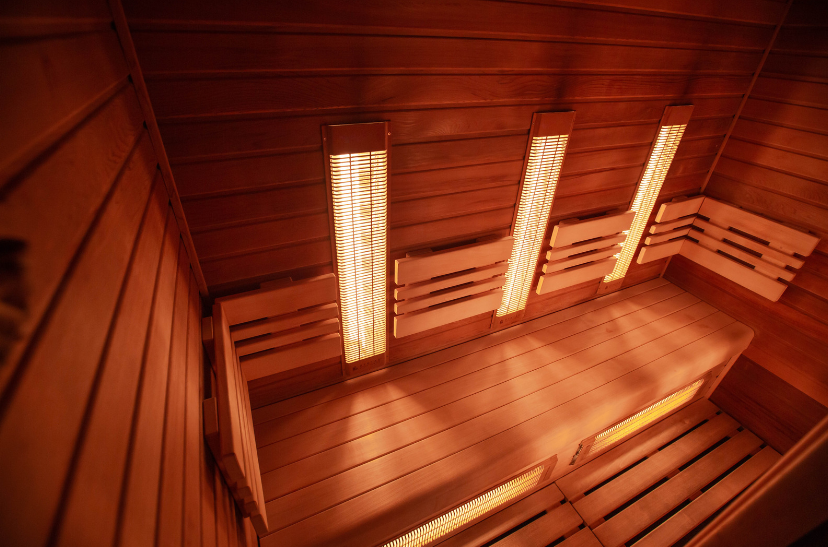
Article: Sauna vs. Cold Plunge: Why Serious Wellness Enthusiasts Use Both
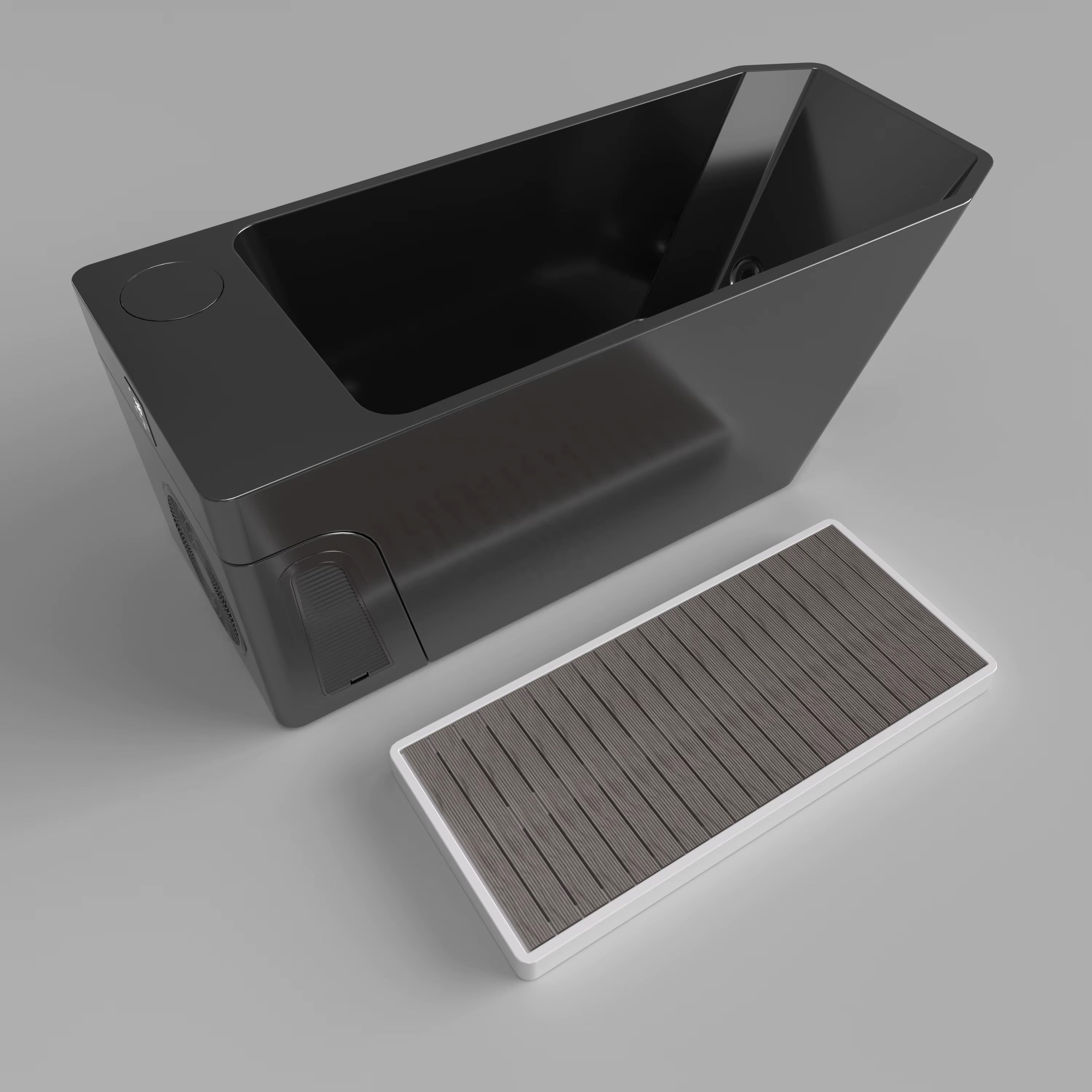
Sauna vs. Cold Plunge: Why Serious Wellness Enthusiasts Use Both
If you've been paying attention to the wellness world over the past few years, you've noticed two things showing up everywhere: saunas and cold plunge tubs. And increasingly, they're being used together — not as separate practices, but as a single protocol called contrast therapy.
It's not a trend. The science behind it is legitimate, and the results people report are hard to ignore.
What Is Contrast Therapy?
Contrast therapy alternates between heat exposure — typically a sauna session — and cold immersion, like a cold plunge tub. The deliberate cycling between hot and cold creates a powerful physiological response that neither practice produces as effectively on its own.
The basic protocol looks like this: 15–20 minutes in the sauna, followed by 2–5 minutes in the cold plunge, repeated 2–3 times per session. The final round typically ends with cold to close the pores and leave you feeling energized rather than depleted.
What Happens to Your Body
The effects of contrast therapy operate on several systems simultaneously.
Circulation: Heat causes your blood vessels to dilate, flooding your muscles and tissues with oxygenated blood. Cold causes them to constrict sharply. This rapid alternation — sometimes called a "vascular pump" — dramatically improves circulation throughout the body.
Inflammation: Cold immersion is one of the most effective tools available for reducing acute inflammation. The vasoconstriction limits blood flow to inflamed areas and reduces swelling. When combined with the heat-induced circulation boost of a sauna, the overall effect on inflammatory markers is significant.
Recovery: For athletes and active people, contrast therapy accelerates recovery by clearing metabolic waste products from muscle tissue more efficiently than rest alone. Many professional sports teams have incorporated cold plunge protocols for exactly this reason.
Nervous system: The cold plunge activates the sympathetic nervous system (your fight-or-flight response), triggering a flood of norepinephrine — a neurotransmitter associated with focus, energy, and mood. Regular cold exposure has been linked to meaningful improvements in mood and resilience to stress over time.
The Mental Side
Here's something the research doesn't fully capture: getting into cold water is hard. It requires deliberate mental effort to override the body's instinct to avoid discomfort.
Most people who practice contrast therapy consistently describe it as one of the most effective mental training tools in their routine — not because it's pleasant, but because it isn't. Learning to stay calm and controlled under acute physical stress translates in ways that are difficult to quantify but easy to feel.
Doing It at Home
This is where home ownership of both a sauna and a cold plunge tub changes everything. The protocol only works if you do it consistently, and consistency requires access. A gym or spa might have both — but they're rarely adjacent, the cold plunge is often shared, and the whole thing requires planning your day around it.
At home, you step from your sauna to your cold plunge in seconds. You do it on your schedule, as often as you want, without anyone watching.
The Frost Cold Plunge Tub paired with any of our Lumin or Auris sauna models is the complete home contrast therapy setup — built for daily use, designed to last, and available with free shipping.
Getting Started
If you're new to contrast therapy, start conservatively. Begin with shorter cold exposures (60–90 seconds) and work up from there. The goal is controlled discomfort, not shock. Listen to your body and build the practice gradually.
Most people find that within two to three weeks of consistent practice, what once felt genuinely difficult starts to feel almost addictive.
Ready to build your home contrast therapy setup? View the Frost Cold Plunge Tub or browse our sauna collection.